
Philippines
In an island country, the nearest hospital and the right hospital may not be the same.
The Philippines combines public and private care, with advanced capacity concentrated around major urban centres. Your plan needs to cover the route from local treatment to the right specialist, not merely the country name.
The decision
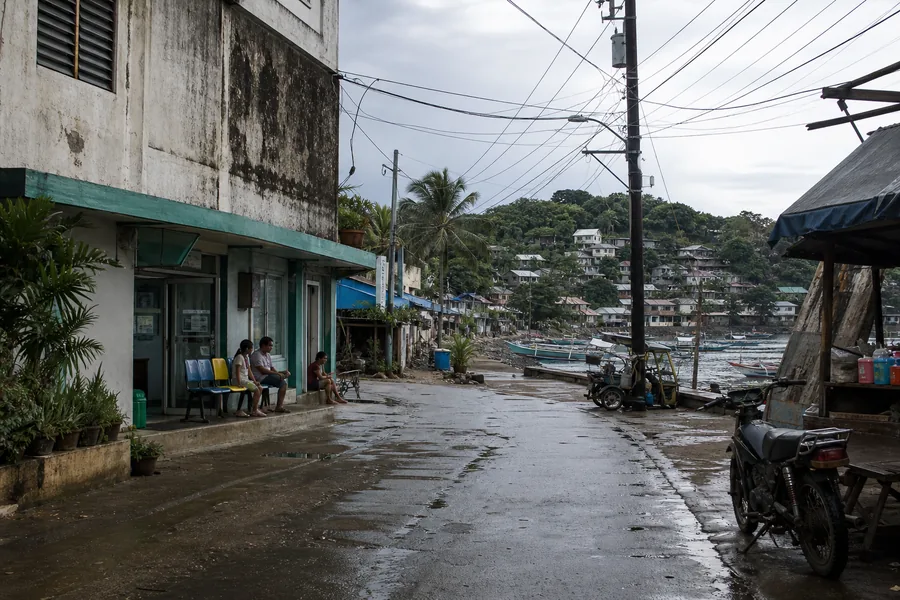
Healthcare access changes from island to island.
An expat in Metro Manila has different options from someone living in Cebu, Davao, Dumaguete, Subic or a smaller island community. A useful comparison starts with what nearby facilities can handle and how you would reach more advanced care.
Payment is the second reality. Some private hospitals may work with international insurers, while official travel guidance notes that many expect payment first and reimbursement later.
Local reality
Where Philippines cover becomes logistical
In the Philippines, the insurance question is often not just who pays. It is how you get from local stabilisation to the right hospital quickly enough.
Metro Manila and BGC
Major private hospitals such as St. Luke’s, Makati Medical Center and Asian Hospital shape many specialist-care decisions, but direct billing still depends on the insurer and admission process.
Cebu and Visayas living
Cebu can handle many private-care needs, while complex cases may still raise the question of Manila, Singapore or another regional centre.
Davao, Subic and provincial bases
Local care may be practical for routine treatment, but serious cases require a realistic transfer plan and a policy that defines destination and approval clearly.
Island and coastal communities
Ferries, weather, domestic flights and ambulance coordination can matter before international evacuation is even considered. That route belongs in the insurance decision.
What to check
Plan for distance before it becomes urgent
Urban specialist care
Private specialist capacity is concentrated around major urban areas. Check the facilities you can realistically reach.
Domestic transfer
Moving between islands or hospitals may be the first logistical problem. Confirm transport, destination and authorisation.
International worldwide cover
Alex’s preferred option is worldwide cover because it keeps Manila, regional Asia and future moves inside one policy structure.
Payment and reimbursement
A covered claim can still require cash or proof of insurance. Learn the hospital and insurer process in advance.
Alex recommends
For the Philippines, worldwide cover protects the route out as much as the bill
A Philippines-only answer can miss the real problem: care may start locally, move to Manila or Cebu, and in some cases continue elsewhere in Asia. Alex’s preferred starting point is international worldwide cover because it keeps that route open instead of trapping the decision inside one geography.
This does not mean every claim leaves the country. It means the policy is built to handle serious treatment choice, future relocation and regional access before the emergency begins.
- Keeps domestic transfer, Manila or Cebu treatment, and regional specialist care in one comparison.
- Supports clients living on islands or outside the main private hospital corridors.
- Protects portability if you later move elsewhere in Asia or return home.
- Gives Alex stronger wording to check for evacuation, planned treatment and direct settlement.
Philippines field guide
Insure the route to care, not just the final bill
01
Map local stabilisation and advanced treatment separately
Local clinics and hospitals may handle routine care and initial emergencies. Complex imaging, cancer treatment, cardiac care or major surgery may require a larger centre in Metro Manila, Cebu or outside the country.
Identify the nearest realistic emergency facility and the tertiary hospital you would prefer. Then ask whether the policy covers medically necessary transfer between them and how approval works when time is short.
Ask before you buy: What facility would the insurer consider suitable from my island or province, and who coordinates the transfer?
02
Do not confuse hospital transfer with evacuation
A domestic ambulance, ferry or flight to Manila or another centre is different from international medical evacuation. Policies define medical necessity, suitable local care and destination.
Check who pays transport before approval, whether an escort is covered and what happens if weather or local logistics delay movement. Maritime rescue is separate from medical evacuation.
Ask before you buy: Does the benefit cover domestic movement and international evacuation, or only one of them?
03
Prepare for up-front payment and reimbursement
US official guidance says many Philippine providers accept cash and may require payment or proof of adequate insurance before treatment. Some private hospitals can work with international insurers, but it should not be assumed.
Keep an emergency funding plan and know the claim-document requirements. Itemised bills, medical reports, receipts and proof of payment may all be needed if direct settlement is unavailable.
Ask before you buy: Which hospitals near me have an established guarantee-of-payment process with this insurer?
04
Decide how worldwide cover handles treatment elsewhere in Asia
International worldwide cover is the right starting point for Alex’s clients, but it still needs careful reading. A plan can cover emergencies throughout a region without allowing you to choose planned treatment in Singapore, Thailand or another country.
If regional specialist access matters, compare geographic zones, planned-treatment approval, travel costs, follow-up care and whether the insurer can settle directly with the destination hospital.
Ask before you buy: Can I elect treatment elsewhere in Asia, and are travel or accommodation expenses included?
Your shortlist
A Philippines comparison needs these answers
- Local emergency and preferred tertiary hospitals are named.
- International worldwide cover is the baseline comparison.
- Domestic transfer and international evacuation are separated.
- Direct billing and reimbursement procedures are understood.
- Regional planned treatment matches your preference.
- Renewal and portability survive a future move.
Why Alex
Alex understands the difference between coverage on a map and access in practice
Alex has lived in the Philippines and knows that a nationwide label can hide major differences in local capability and logistics.
He checks the route from local care to specialist treatment, then stays involved when the insurer, hospital and patient need the same plan.
Ask Alex about your situationQuestions worth asking
Before you choose a policy
Can international insurance cover inter-island transfer?
It may, but transport benefits, medical necessity, destination and authorisation rules vary. Read the clause and confirm the likely route.
Should I include treatment elsewhere in Asia?
Yes, the comparison should start with international worldwide cover. Alex then checks whether planned treatment elsewhere in Asia is actually allowed, not merely implied by the word worldwide.
Can foreign residents use PhilHealth?
Eligibility depends on current PhilHealth rules and individual status. Confirm directly with PhilHealth; private or international cover serves a different role.
Will a private hospital bill the insurer directly?
Some may, but official guidance notes that many providers require up-front payment and reimbursement. Confirm the exact hospital and carrier.
Does worldwide coverage include the United States?
Not necessarily. Many policies offer worldwide excluding the US, limited US emergencies or full US cover as distinct options.
Independent guidance
Insure the worldwide route to care, not just the country name
Tell Alex which island or city you call home and where you would want advanced treatment. He will compare international worldwide plans against that route.
Message Alex on WhatsApp